
Discover Wildlife Conservation Through Woofing Italy: A True Experience of the Dolce Vita on Eco-Friendly Smallholdings
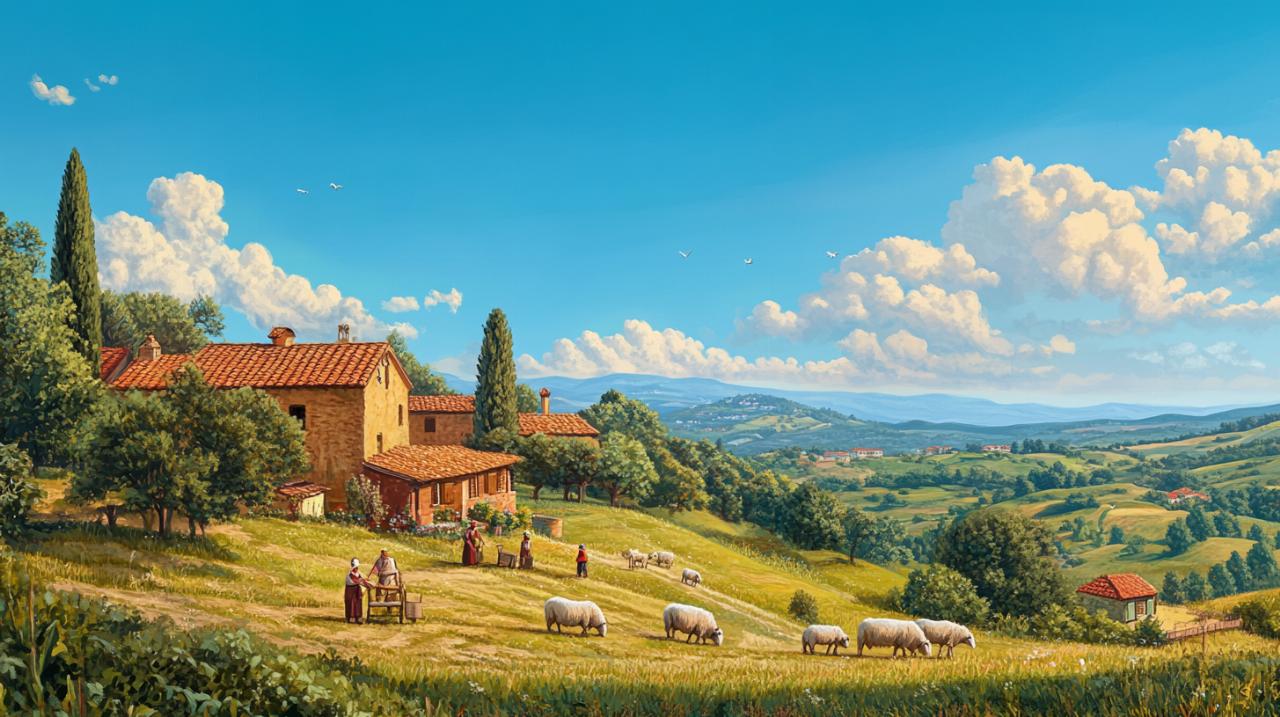
Imagine swapping the hustle of everyday life for the serene beauty of the Italian countryside, where rolling hills meet ancient olive groves and the air is filled with the scent of fresh herbs and rich soil. This is not merely a holiday but a transformative journey into sustainable living, where the charm of rural Italy blends seamlessly with meaningful conservation work. Through WWOOFing, or Worldwide Opportunities on Organic Farms, volunteers immerse themselves in organic farming practices, contributing to wildlife conservation whilst experiencing an authentic slice of the Dolce Vita that defines this remarkable nation.
Embracing sustainable living: your journey into italian countryside conservation
WWOOFing in Italy offers a unique opportunity to engage directly with the land, learning about organic farming and sustainable practices that support both the environment and local wildlife. Unlike conventional tourism, this experience is rooted in a trust-based, non-monetary exchange where volunteers offer their time and energy in return for accommodation and meals. The concept connects individuals with organic farmers across regions such as Emilia-Romagna, Lazio, and Basilicata, providing a window into the rhythms of rural life that have sustained Italian communities for generations. For wildlife enthusiasts, this means more than just working the soil; it involves understanding how traditional agricultural methods foster biodiversity, protect native species, and maintain the delicate balance of ecosystems.
What WWOOFing in Italy Actually Entails for Wildlife Enthusiasts
The essence of WWOOFing lies in its educational and cultural dimensions. Volunteers typically dedicate around six hours a day to farm tasks, with two days off each week to explore nearby towns and soak up the local culture. These tasks can range from pruning fruit trees and planting seasonal crops to caring for animals and preparing meals using fresh, farm-grown produce. For those passionate about wildlife conservation, the experience extends beyond these daily duties. Many organic farms in Italy actively support habitats for pollinators, birds, and other wildlife by avoiding synthetic pesticides and embracing crop rotation and companion planting. This hands-on involvement allows volunteers to witness firsthand the positive impact of sustainable farming on the natural world, whilst also gaining skills in traditional practices such as seed gathering and composting that are crucial for maintaining healthy ecosystems.
Choosing the Right Eco-Friendly Smallholding for Your Conservation Goals
Selecting the ideal farm is a critical step in ensuring a rewarding WWOOFing experience. Prospective volunteers are encouraged to research farms thoroughly, asking questions about the type of work involved, the living conditions, and the farm's approach to sustainability and wildlife conservation. Some smallholdings operate agriturismos, welcoming guests and offering volunteers the chance to engage with a broader community whilst learning about regional culinary traditions. Others may be more remote, providing a quieter, more introspective experience focused on self-sufficiency and minimal environmental impact. It is important to consider your own interests and comfort levels, as experiences can vary widely. For example, one farm might emphasise vegetable cultivation and permaculture, whilst another focuses on animal husbandry and traditional cheesemaking. By aligning your personal conservation goals with the ethos of the farm, you can ensure that your time in Italy is both fulfilling and impactful.
Daily Life on Italian Organic Farms: Blending Graft with the Dolce Vita
Life on an Italian organic farm is a harmonious blend of hard graft and leisurely enjoyment, embodying the Dolce Vita in its truest form. Volunteers often find themselves rising with the sun, working alongside farmers who possess generations of knowledge about the land. The work is physical and demanding, but it is also deeply rewarding, offering a sense of purpose and connection that is often missing from modern, fast-paced lifestyles. After a morning spent tending to crops or caring for livestock, the afternoon might bring a leisurely meal prepared with ingredients harvested just hours earlier, accompanied by stories and laughter shared around a rustic kitchen table. Evenings provide time to explore nearby villages, sample local wines, or simply relax under the stars, reflecting on the day's accomplishments and the beauty of the surrounding landscape.
Typical Tasks and Responsibilities on Wildlife-Friendly Smallholdings
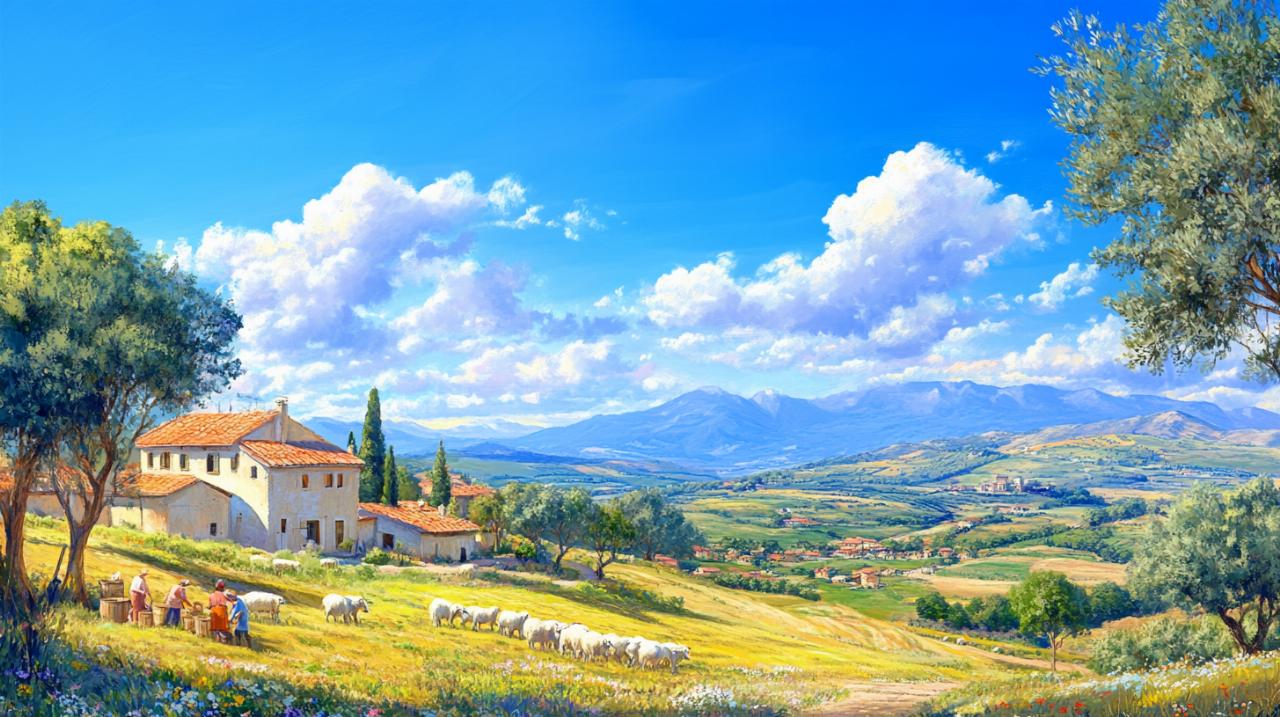
The tasks on an Italian farm are as varied as the seasons themselves. In spring, volunteers might assist with planting and transplanting seedlings, building trellises for climbing plants, and spreading compost to enrich the soil. Summer brings the need for watering, weeding, and harvesting, as well as the preservation of produce through canning and drying. Autumn is a time for pruning, preparing beds for winter crops, and gathering seeds for the next planting season. Winter, though quieter, still demands attention to maintenance tasks, such as repairing fences, caring for animals, and planning for the year ahead. On farms committed to wildlife conservation, volunteers may also participate in activities such as constructing birdhouses, planting hedgerows to provide shelter and food for native species, and monitoring local wildlife populations. These responsibilities offer invaluable insights into how organic farming practices support biodiversity and contribute to the health of the broader environment.
Balancing Hard Graft with Authentic Cultural Immersion and Local Traditions
One of the most cherished aspects of WWOOFing in Italy is the opportunity for genuine cultural immersion. Beyond the physical labour, volunteers are welcomed into the daily lives of their hosts, sharing meals, celebrations, and traditions that have been passed down through generations. This might include learning to make fresh pasta by hand, participating in local festivals such as the Cancellara Salsiccia Festival, or simply engaging in conversations that deepen one's understanding of Italian history, language, and values. Many volunteers find that their basic knowledge of Italian improves rapidly through daily practice, opening doors to richer interactions and a deeper appreciation of the culture. The balance between work and leisure is carefully maintained, ensuring that volunteers have ample time to explore the stunning landscapes and historic towns that dot the Italian countryside, from the art-filled streets of Bologna and Florence to the serene beauty of Ravenna and the lesser-known gems of Basilicata.
The genuine impact: how wwoofing supports italian wildlife and rural communities
The impact of WWOOFing extends far beyond the individual volunteer, rippling outwards to benefit both wildlife and the communities that call the Italian countryside home. By supporting organic farms, volunteers contribute to a system that prioritises environmental health, biodiversity, and sustainability over short-term profit. This approach not only protects native species and habitats but also helps to preserve traditional farming methods that are at risk of being lost to industrial agriculture. Moreover, the presence of volunteers provides vital support to small-scale farmers, many of whom struggle to compete in a global market dominated by large agribusinesses. The non-monetary exchange at the heart of WWOOFing fosters a sense of mutual respect and collaboration, creating meaningful connections that transcend cultural and geographical boundaries.
Conservation practices you'll learn on sustainable italian farms
Participating in WWOOFing offers a masterclass in sustainable agriculture and conservation. Volunteers learn about soil health and the importance of composting, crop rotation, and cover cropping in maintaining fertile, productive land. They discover how organic practices, such as avoiding synthetic chemicals and embracing natural pest control methods, protect not only the crops but also the myriad creatures that depend on healthy ecosystems. Many farms also engage in agroforestry, integrating trees and shrubs into their agricultural systems to provide habitat for birds and insects, reduce erosion, and enhance soil fertility. For those interested in wildlife conservation, these practices offer a blueprint for how human activity can coexist harmoniously with nature, demonstrating that sustainable farming is not only viable but essential for the future of our planet. The knowledge gained during a WWOOFing experience can be transformative, inspiring volunteers to carry these principles into their own communities and advocate for broader environmental change.
Building meaningful connections whilst supporting local biodiversity
At its core, WWOOFing is about relationships: the relationship between people and the land, between hosts and volunteers, and between humans and the natural world. The connections forged during a WWOOFing experience are often profound and lasting, built on shared labour, shared meals, and shared values. Volunteers frequently speak of the friendships formed with fellow wwoofers from around the globe, as well as the deep bonds developed with their hosts, who open their homes and lives with remarkable generosity. These relationships are enriched by a common commitment to sustainability and conservation, creating a sense of community and purpose that extends beyond the farm. By choosing to WWOOF in Italy, volunteers not only gain invaluable skills and experiences but also play a direct role in supporting local biodiversity and preserving the cultural heritage of rural communities. It is a journey that nourishes the soul as much as it does the land, offering a true taste of the Dolce Vita in its most authentic and meaningful form.