
Archives of Star Cups: A Journey Through Iconic Celebrity Hairstyles Across the Decades
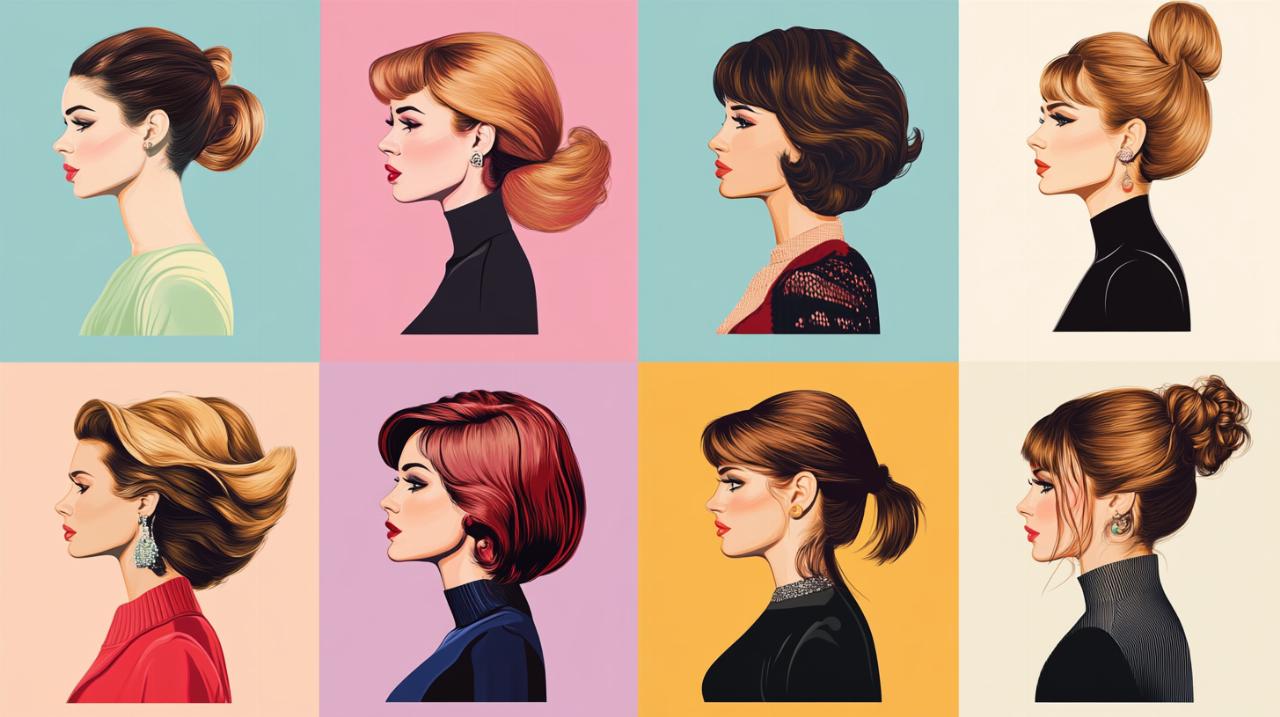
Throughout the decades, the evolution of celebrity hairstyles has mirrored broader cultural shifts, reflecting movements in politics, gender expression, and social status. From the daring bob cuts of the roaring twenties to the sleek, pin-straight looks of the early 2000s, each era has contributed its own signature style, leaving an indelible mark on the world of fashion and beauty. These iconic looks have not only defined entire generations but have also empowered individuals to express their identity and challenge societal norms. Today, we embark on a captivating journey through the archives of star cups, exploring how hairstyles have shaped and been shaped by the times, all whilst celebrating the creativity and boldness of those who dared to set trends.
The Golden Era: Classic Hollywood Glamour and Defining Cuts of the 1950s-1960s
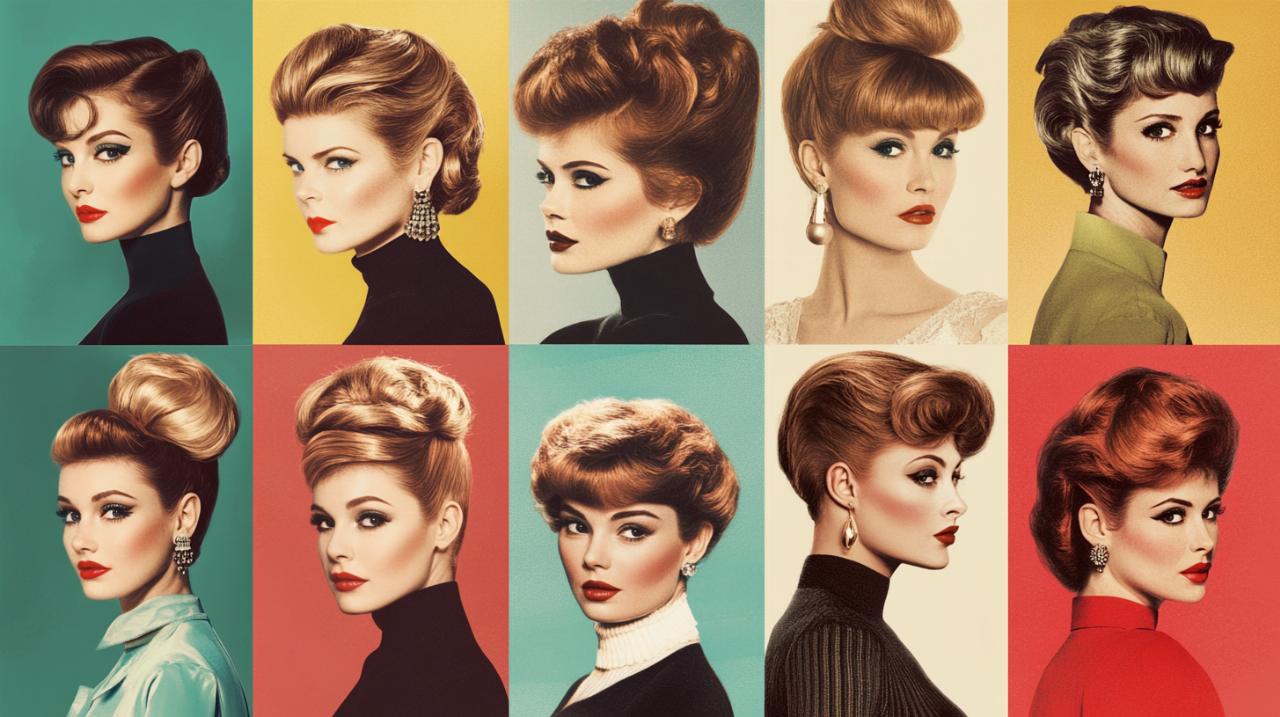
The post-war period brought with it a return to elegance and sophistication, as Hollywood icons set the standard for beauty across the globe. The 1950s were characterised by glamorous curls and meticulously styled waves, with stars such as Marilyn Monroe becoming synonymous with the era's aesthetic. Monroe's platinum blonde locks and voluptuous curls epitomised the blonde bombshell trend, which was further popularised by Jean Harlow and Jayne Mansfield. These women became symbols of femininity and allure, their hairstyles meticulously crafted to convey an image of flawless beauty. The bouffant, famously worn by Jackie Kennedy, also emerged as a defining style, offering volume and a sense of polished refinement that resonated with women seeking to emulate the elegance of the First Lady.
Pin curls and victory rolls: the post-war beauty standard
As the world emerged from the shadow of conflict during the 1940s, practical yet stylish updos became a necessity for women balancing domestic duties and wartime responsibilities. The Victory Roll, a hairstyle that combined functionality with a sense of patriotic pride, became emblematic of the era. Women would roll their hair into elegant loops, securing them with pins to create a look that was both striking and practical. Pin curls, which involved setting the hair in tight coils and allowing them to dry before being brushed out into soft waves, were another staple of the time. These styles were not merely about aesthetics; they represented resilience and adaptability, qualities that were highly valued during the challenging years of the war. The influence of these trends extended well into the following decade, laying the groundwork for the glamorous waves that would dominate the 1950s.
Audrey's Pixie and Marilyn's Platinum Waves: Styles That Shaped a Generation
Whilst Monroe's curls captured the essence of sultry glamour, Audrey Hepburn offered an entirely different vision of beauty with her iconic pixie cut. Hepburn's short, gamine hairstyle, which she showcased in films throughout the 1950s and 1960s, challenged traditional notions of femininity by proving that elegance could be achieved without length or volume. The pixie cut, which traces its origins back to the Titus cut in eighteenth-century France, was further popularised in the 1960s by figures such as Twiggy and Mia Farrow, who embraced its boldness and simplicity. Hepburn also made baby bangs fashionable, pairing them with her signature updo to create a look that was both chic and timeless. In contrast, Brigitte Bardot's teased layers, which she first popularised in 1952, offered a more relaxed yet equally captivating style, blending volume with a sense of effortless sensuality. Together, these diverse styles illustrated the breadth of beauty ideals during the golden era of Hollywood, each offering women a different way to express their individuality and charm.
Revolutionary Locks: The Bold and Rebellious Hairstyles of the 1970s-1980s
The arrival of the 1970s heralded a new era of self-expression and rebellion, as cultural movements pushed the boundaries of traditional beauty standards. The Afro emerged as a powerful symbol of pride and resistance, particularly within the Civil Rights Movement. During the 1960s and 1970s, figures such as Cicely Tyson and Nina Simone wore cornrows and natural hairstyles as a celebration of African heritage and identity. The Afro, in particular, became a visual statement of empowerment, challenging the Eurocentric beauty norms that had long dominated mainstream culture. In the 1990s, the style was reclaimed once more as a self-love statement, demonstrating its enduring significance. Dreadlocks, or locs, were popularised by Bob Marley in the 1970s, further solidifying the connection between hairstyle and cultural identity. Whoopi Goldberg's embrace of the style helped to cement its place in popular culture, illustrating the ongoing dialogue between fashion and social change.
Disco Fever and Farrah's Feathered Layers: The Decade of Volume
As disco music swept across dance floors and nightclubs, the 1970s also became known for its love of volume and texture. Farrah Fawcett's feathered layers became one of the most iconic looks of the decade, with women across the world seeking to replicate her sun-kissed waves and effortlessly tousled style. The shag haircut, famously worn by Kurt Cobain in the 1990s, also had its roots in the 1970s, offering a more laid-back and rebellious alternative to the polished styles of previous decades. Meanwhile, the beehive, which had been invented in 1960, continued to enjoy popularity, later being revived by Amy Winehouse in the 2000s, who added her own dramatic flair to the towering updo. The 1970s also saw the rise of the mop top, which The Beatles had brought to the United States in the 1960s, and which continued to influence men's hairstyles throughout the decade. These diverse trends reflected a broader cultural shift towards individuality and self-expression, as people increasingly rejected rigid beauty standards in favour of more personalised styles.
Punk spikes and new wave mullets: breaking traditional beauty boundaries
The 1980s took the spirit of rebellion even further, embracing bold, unconventional styles that defied traditional notions of beauty. The mullet, which gained mainstream popularity during this decade, was often paired with teased volume and crimping, creating a look that was both daring and distinctive. Whilst the mullet had been worn by various subcultures since the 1940s, it was during the 1980s that it truly became a symbol of defiance and non-conformity. Grace Jones popularised the fade in 1980, a style that would return to prominence in the 2010s with celebrities such as Jennifer Hudson and Leslie Jones embracing the sleek, close-cropped look. Salt-N-Pepa made the undercut fashionable once more, bringing back a style that had been out of favour since the 1930s. Crimped hair, which had been inspired by Barbra Streisand and later worn by Madonna, became synonymous with the bold, experimental aesthetic of the decade. Jheri curls, popularised by Ice Cube and Deion Sanders, and perms, famously worn by Jennifer Beals in Flashdance, added to the era's love of texture and volume. These hairstyles were not merely fashion statements; they were declarations of individuality and a rejection of the status quo.
Modern manes: contemporary celebrity hairstyles and their cultural impact
As the twentieth century drew to a close, the influence of television and, later, the internet began to reshape the way people engaged with fashion and beauty. The 1990s ushered in a new era of celebrity-driven trends, with hairstyles becoming as iconic as the shows and films in which they appeared. The early 2000s continued this trajectory, with pin-straight hair and chunky highlights dominating the scene, reflecting a desire for sleek, polished looks. However, the 2010s brought about a significant shift, as the curly girl movement empowered individuals to embrace their natural hair texture, challenging the prevailing preference for straightened styles. Today, in the 2020s, we find ourselves in what many describe as a post-trend world, where greater acceptance and the influence of social media have given people the freedom to wear their hair however they please, drawing inspiration from a vast array of sources and celebrating diversity in all its forms.
The rachel effect: how television transformed salon requests
Few hairstyles have had as immediate and widespread an impact as The Rachel, the layered cut worn by Jennifer Aniston's character on the beloved television series Friends. Throughout the 1990s, women across the globe flocked to salons, requesting the same bouncy, layered look that had become synonymous with the character. The Rachel was more than just a haircut; it was a cultural phenomenon, demonstrating the power of television to shape beauty trends on a mass scale. The style's popularity was such that it transcended its origins, becoming a defining feature of 1990s fashion. Similarly, curtain bangs, famously worn by Leonardo DiCaprio in Titanic, became a sought-after look, illustrating how cinema, too, played a crucial role in influencing hairstyle choices. These trends highlighted the increasing interconnection between entertainment and fashion, as audiences sought to emulate the looks of their favourite on-screen personalities.
Social media influence: from red carpet to everyday inspiration
The advent of social media has revolutionised the way people discover and adopt new hairstyles, democratising fashion in ways that were unimaginable just a few decades ago. Platforms such as Instagram, TikTok, and Pinterest have become virtual archives of inspiration, where users can browse countless images and videos of celebrity looks, tutorials, and transformations. This shift has allowed trends to spread more rapidly and organically, with hairstyles moving from the red carpet to everyday life in a matter of days. The return of crimped hair, championed by contemporary artists such as Dua Lipa and Ice Spice, and the resurgence of flower garnishes, reminiscent of the styles worn by Billie Holiday and Frida Kahlo, are testaments to social media's power to revive and reinvent past trends. The buzzcut for women, once made popular by Susan Powter in the 1980s, has also enjoyed renewed visibility, with more women feeling empowered to embrace shorter styles. In this era, the conversation around hairstyles has expanded to include discussions of cultural appropriation, particularly in relation to cornrows, which have deep roots in African culture dating back to around 3000 BC. The criticism faced by Kim Kardashian West in 2018 for wearing cornrows underscored the importance of recognising and respecting the cultural significance of certain styles. As we move forward, the ongoing dialogue between tradition and innovation, between personal expression and cultural heritage, continues to shape the ever-evolving landscape of celebrity hairstyles.