
Incorporating sustainable living practices into your home decor
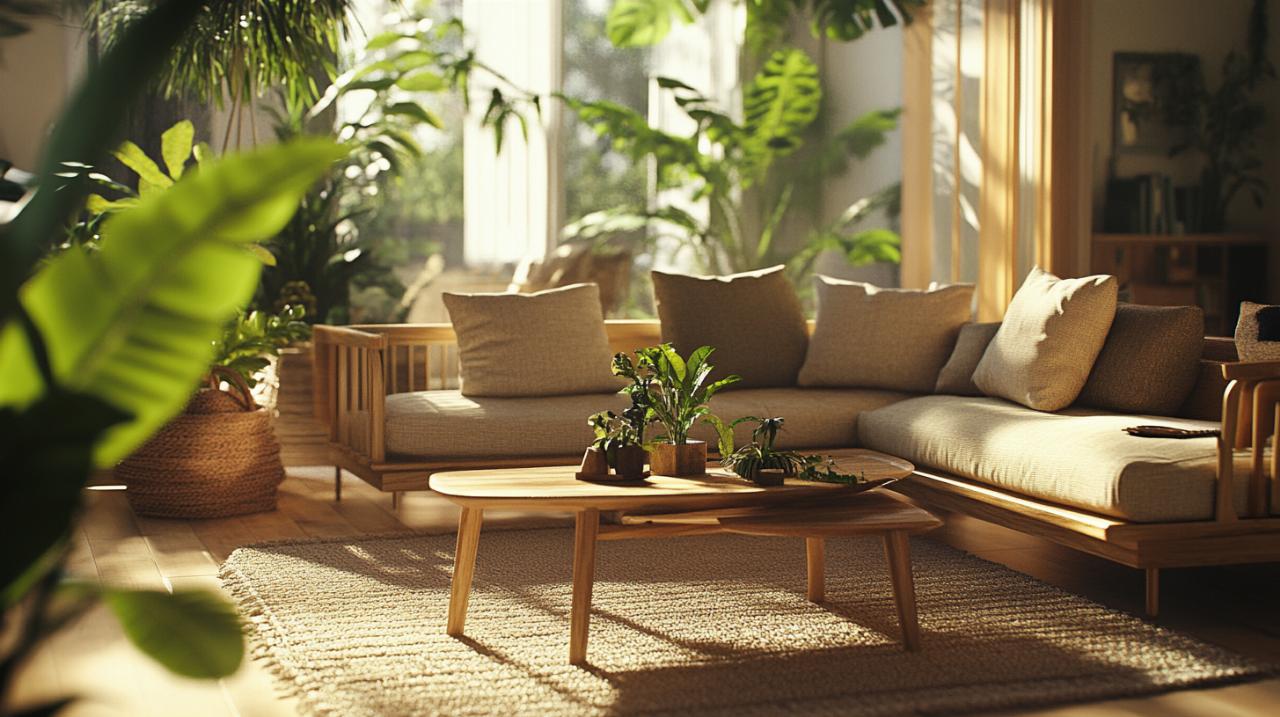
As awareness of environmental concerns continues to grow, more and more homeowners are seeking ways to transform their living spaces into eco-conscious sanctuaries. From selecting renewable resources to embracing vintage treasures, the journey towards a greener home begins with thoughtful choices that reflect both personal style and a commitment to the planet. By weaving sustainable living practices into the very fabric of your interiors, you can create a space that not only looks beautiful but also treads lightly on the Earth.
Choosing eco-conscious materials and furnishings
When it comes to decorating your home with the environment in mind, the materials you select play a pivotal role. Opting for eco-friendly materials such as bamboo, reclaimed timber, and recycled glass can dramatically reduce your carbon footprint whilst adding character and warmth to your rooms. Bamboo, for instance, is a remarkable choice because it is a fast-growing grass that regenerates without the need for replanting. The Bamboo Flooring Company highlights that strand woven bamboo is more than twice as strong as oak, making it an excellent option for high-traffic areas. Meanwhile, reclaimed wood brings a sense of history and authenticity to any space, transforming salvaged floor joists and railway sleepers into stunning furniture pieces that tell a story.
Natural and Reclaimed Materials for a Greener Space
Natural and reclaimed materials not only contribute to a healthier indoor environment but also support sustainable forestry and reduce waste. Companies such as The Reclaimed Timber Company offer a wide range of flooring suitable for both contemporary and period properties, ensuring that you can find the perfect match for your aesthetic preferences. Similarly, salvaged metal items from places like English Salvage add an industrial charm to your decor while giving new life to materials that might otherwise end up in landfills. When choosing paints, consider options with low VOC formulations, such as those offered by Edward Bulmer Natural Paint and Earthborn, which provide detailed information about their ingredients and help maintain better indoor air quality. Chalk paints like Annie Sloan or Frenchic are also popular for their ease of application and minimal environmental impact, making them ideal for refreshing kitchen cabinets or giving old furniture a new lease of life.
Investing in Quality Pieces That Stand the Test of Time
Investing in quality, durable furniture is another cornerstone of sustainable decorating. Rather than opting for fast furniture that may need replacing within a few years, seek out pieces crafted from FSC-certified wood or vintage finds that have already proven their longevity. Antique and vintage furniture are inherently sustainable choices, as they reduce demand for new production and preserve craftsmanship from bygone eras. Home Barn, for example, sells rustic antiques and locally made dining tables in reclaimed pine and elm, whilst Bed Bazaar restores antique metal bedsteads to their former glory. These timeless pieces not only add a unique touch to your home but also contribute to a circular design approach that values reuse and longevity. By choosing furniture that does more than one job, such as a storage ottoman or a sofa bed, you maximise functionality without overcrowding your space, embodying the principles of minimalist design.
Reducing waste through mindful decorating choices
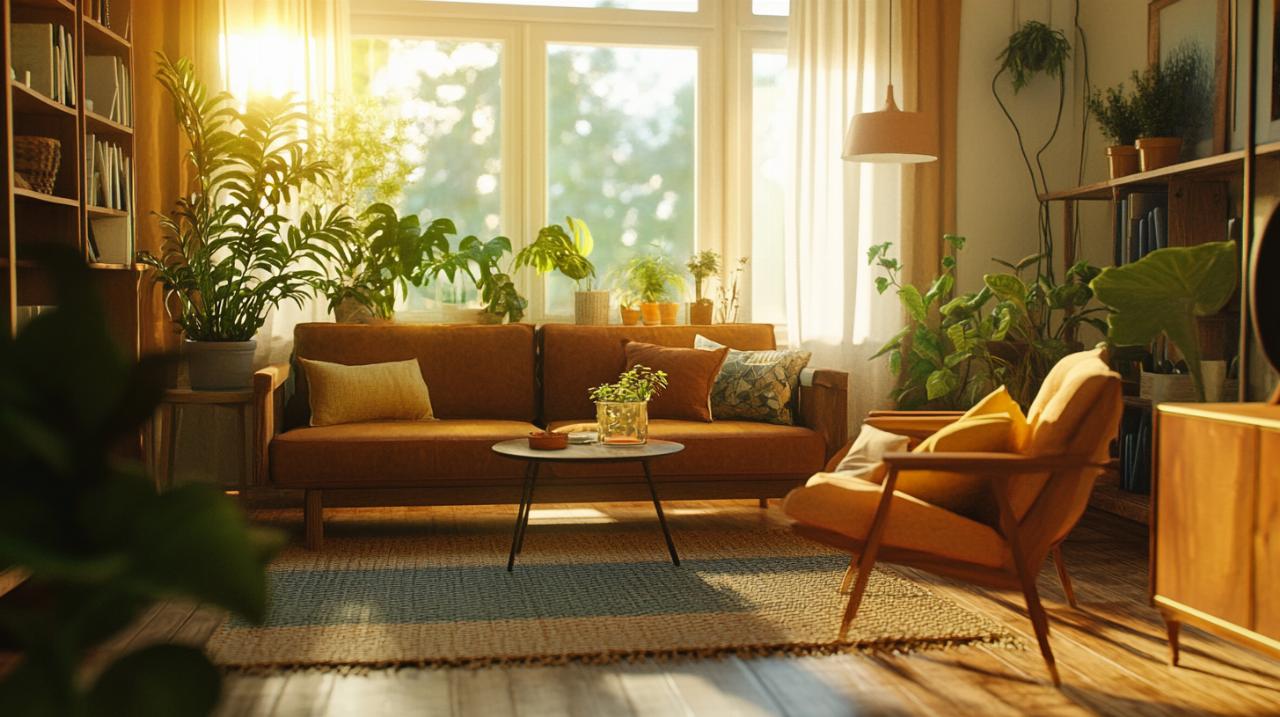
Reducing waste is at the heart of sustainable decorating, and it begins with a shift in mindset from buying new to reimagining what you already have. Mindful decorating choices encourage you to see the potential in existing items and to support businesses that prioritise ethical production and waste reduction. By embracing this approach, you not only save money but also contribute to a healthier planet by diverting items from landfills and reducing the demand for new manufacturing.
Upcycling and Repurposing Existing Items in Your Home
Upcycling and repurposing are powerful strategies for transforming your home without generating unnecessary waste. Consider giving your kitchen cabinets a fresh coat of paint rather than replacing them entirely, a simple yet effective way to breathe new life into your space. Chalk paints are particularly suited to this task, offering excellent coverage and a range of colours that can suit any style. Beyond furniture, textiles offer abundant opportunities for creative reuse. Ian Mankin's Zero Waste Initiative, for instance, creates fabrics from surplus yarns and offcuts, whilst Weaver Green makes rugs and textiles from recycled water bottles, demonstrating that even the smallest materials can be transformed into stylish home accessories. Repurposing also extends to lighting, with companies like Skinflint sourcing and restoring vintage fixtures from the period between 1920 and 1970, rewiring them to accommodate energy-efficient LED bulbs that use seventy-five per cent less energy than traditional options.
Supporting local artisans and second-hand shops
Supporting local artisans and second-hand shops is another meaningful way to reduce waste and promote sustainable living practices. Purchasing pre-owned curtains from outlets like The Curtain Exchange or exploring vintage furniture at local antique markets not only gives these items a second chance but also supports small businesses and craftspeople in your community. Companies such as Heyl Interiors use wood from salvaged floor joists and railway sleepers to create bespoke furniture, blending skilled craftsmanship with environmental responsibility. When sourcing materials locally, you also reduce the carbon emissions associated with transportation, further minimising your environmental impact. For those seeking organic textiles, look for GOTS certification, the Global Organic Textile Standard, which ensures that bed linen and other fabrics are produced without harmful chemicals. Ecosophy, for example, supplies GOTS accredited cotton and linen bedlinen that combines comfort with environmental integrity. Additionally, consider incorporating indoor plants such as spider plants, aloe vera, peace lilies, and snake plants into your decor, as these not only enhance air quality but also bring the principles of biophilic design into your home, fostering a deeper connection with nature. By making these thoughtful choices, you create a living space that reflects your values and contributes to a more sustainable future.